
AI Casino Games Future: A Cashier-First Alternative at MindDeck
Picture an online casino built around how you actually move money – not the other way around. That’s the wager with AI-driven platforms like MindDeck, where the cashier isn’t an afterthought bolted on the homepage. For readers comparing bonus structures, playcrocobonuscodes.com sits on a similar wavelength. The future of AI casino games is being shaped less by flashy jackpots, more by adaptive tools that respect your bankroll, time and favourite rails. From a café on the Cairns Esplanade to a quiet spin at home, it’s a revolution worth a dekko.
Why the Cashier Defines the AI Casino Games Future
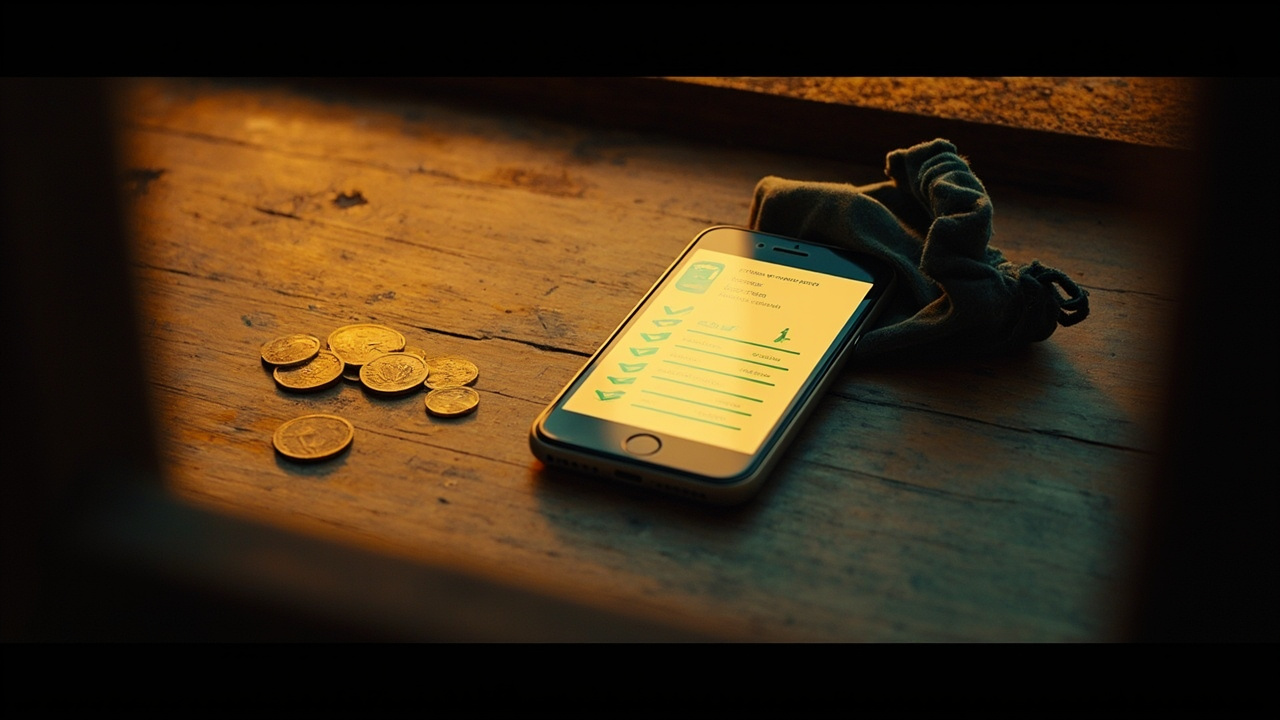
At MindDeck, the deposit screen sits one tap from the lobby – no scavenger hunt, no buried menus. I reckon that’s a small but telling detail, because most platforms still treat payments as a back-office chore. The AI casino games future isn’t only about smarter opponents; it’s about a cashier that learns what you do. After your third session, it surfaces POLi alongside card options, and on a lazy Sunday arvo it quietly suggests Bitcoin if that’s what you reached for last week.
Minimum deposit is A$20 across rails, BPAY clears at A$30 and crypto starts at A$15 equivalent. Withdrawals begin from A$25 for e-wallets and crypto, A$50 for bank transfers, and card payouts at A$40, capped at A$10,000 per business day for verified accounts.
MindDeck runs on a Curaçao licence – no Australian operator carries a local licence, so the frame is offshore by design – and verification sits before the first withdrawal. After two decades writing about gaming platforms, I’ll say this plainly: AUD, crypto and BPAY in one breath is the sort of cashier prioritisation the rest of the industry should be chasing.
Inside the MindDeck Cashier – Three Pillars of an AI-First Flow
Adaptive Deposit Suggestions and Bonus Pairing
The MindDeck lobby greets returning players with a curated deposit panel, not a generic grid. If you’ve favoured POLi over the past fortnight, that rail sits at the head of the queue. If crypto was your last move, a small ticker shows the BTC/AUD rate and one-tap converts to AUD for play. Available rails:
- POLi: instant, A$20-A$10,000
- BPAY: 1-2 hours, A$30-A$10,000
- Visa/Mastercard: instant, A$20-A$5,000
- BTC, ETH and USDT: 10-30 minutes, A$15-A$10,000 equivalent
- Apple Pay and Google Pay via card rails: instant, A$20-A$5,000
The welcome package is staged across three deposits – 100% to A$500 and 100 free spins on the first, 75% to A$300 on the second, 50% to A$200 on the third. Wagering sits at 35x the bonus with seven-day expiry. Reloads are AI-curated weekly: the engine reads your session length and game mix, then drops a tailored offer each Tuesday arvo.
Withdrawal Rails and Verification Rhythm
Cashing out is where most operators stumble, so it’s where MindDeck leans in. After the one-time KYC – driver’s licence and a recent utility bill – withdrawals move through a smart queue. Crypto payouts to BTC, ETH, and USDT clear inside two hours during business days, often within thirty minutes outside peak. E-wallets settle inside four hours; Visa/Mastercard and bank transfers take one to three business days. The cashier keeps a timestamped log of every attempt, including declined ones, so you can see whether a bank block tripped the rejection. No promises – just a transparent trail you can read.
Currency Agility and Conversion Quirks
Balances default to AUD but switch per session if you prefer BTC, ETH, or USDT. The exchange rate locks at deposit time for bonus wagering, removing the headache of watching your bonus shrink because crypto twitched overnight. The cashier shows 0.5% on crypto in, 1% on crypto out, so there are no surprises when you settle up. Limits stay consistent across currencies: A$20 minimum deposit, A$25 minimum withdrawal, A$10,000 daily ceiling. For anyone keeping a tidy ledger, that consistency is the sort of detail an accountant mate would appreciate.
Who the AI Casino Games Future Actually Suits
MindDeck’s cashier-first philosophy won’t suit every punter, and that’s worth saying upfront. I’ve covered enough launches to know a cashier-led pitch usually means tighter margins – that’s the trade-off here too. If you’re a high-roller chasing a single mega-withdrawal above A$10,000 a day, you’ll need to ladder payouts across sessions. If you’re a casual spinner depositing A$10 at a time, the A$20 minimum might feel steep.
The fit is sharpest for Australians who mix deposit methods through one session – POLi one day, BPAY the next, BTC when overseas travel puts a card out of reach. Readers weighing cross-browser compatibility can also lean on a JeetCity Paysafecard guide from a related platform, which explains no-download flows well, though MindDeck’s cashier already runs entirely in-browser with no install needed at all. If you value a transparent audit trail, AUD-led balances and a cashier that anticipates the next rail, the AI casino games future is being built for players who spin between flights at Cairns airport or settle in at home for the night.
The AI casino games future isn’t a vague promise of smarter bots at the tables. It’s a quiet reordering of priorities, with the cashier sitting at the front of the lobby instead of buried in a footer. MindDeck’s adaptive rails, transparent logs and AUD-first balances show what that reordering looks like in practice. Spinning at home or chasing a quiet arvo on the road, that’s a future worth backing.